
Mini Cart


Your cart is empty
(0 Items Added)
Mini Cart
Your cart is empty
(0 Items Added)
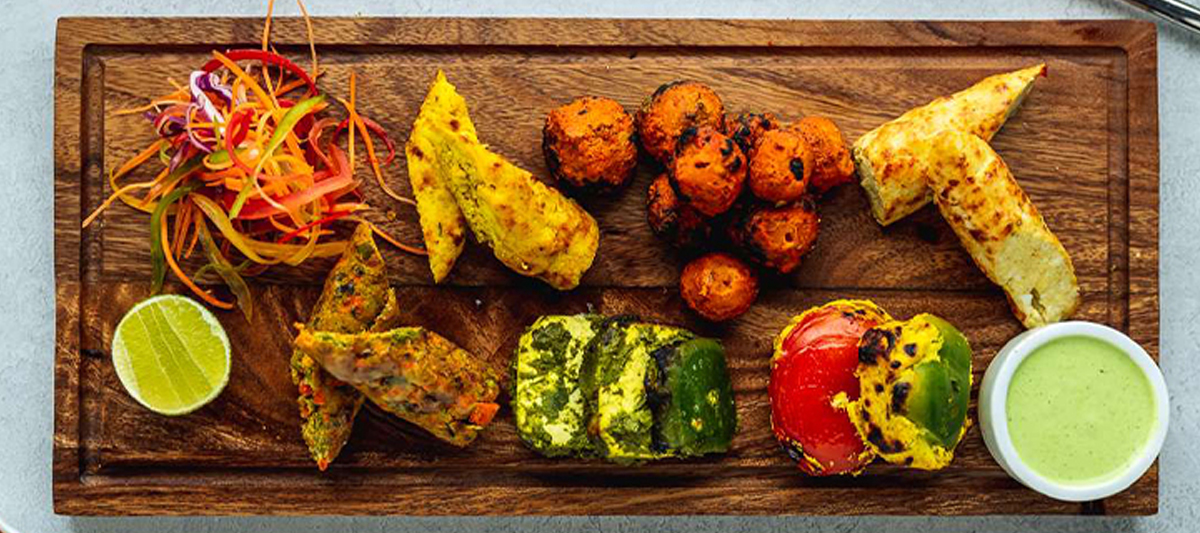
Fasting has been an integral concept of healthcare for centuries, being mentioned in holy texts across civilisations. Ekadashi is one such day of fasting that holds extreme reverence in the Hindu calendar. Observed with mindfulness and devotion, it is a commitment to the Sattvic lifestyle. Cleansing your body and calming your mind, it is all about consuming pure, simple, and sattvic foods.
In a city like Dubai, known for its multicultural culinary scene, accessing authentic Ekadashi-friendly food options is easier than most people think. From Vrat-friendly snacks to exuberant vegetarian dishes, you will find a whole range of options for you that are prepared without grains to keep up with the tradition.
Irrespective of whether you are strictly observing the fast or are lightly exploring it, it can’t be denied that Ekadashi foods are physically nourishing and spiritually uplifting. These wholesome foods make for a comfort dining experience.
There are 24 Ekadashis in a year, but the number can go up to 26 in a leap year. Each Ekadashi has a unique name and significance.
In the Hindu lunar calendar, Ekadashi is deemed a sacred day and is celebrated twice a month, being observed on the 11th day of each fortnight. This day is dedicated to Lord Vishnu, and the devotees pay respect to him through prayer, spiritual reflection, and fasting (Vrat).
The practice of observing Ekadashi regularly is believed to help strengthen one’s connection with the divine while also purifying the body and mind. Although the rules of fasting may vary from region to region, it generally involves consuming only fruits, dairy, and Vrat-friendly ingredients while avoiding grains, beans, and certain vegetables.
Ekadashi is not just a ritual; it is giving your mind, body, and soul a thoughtful pause that encourages devotion, clarity, and discipline.
Ekadashi is celebrated to encourage self-discipline, inner purification, and spiritual growth. It is regarded as a highly auspicious day as per Hindu tradition, and is religiously followed across the Indian subcontinent and by Indians across the globe.
Devotees dedicate this day to Lord Vishnu and meditate, pray, chant, and fast, while seeking blessings for prosperity, health, and liberation from negative Karma. Fasting on this day is also believed to detoxify the body and help control desires.
Ekadashi is associated with spiritual healing, and if it is practised regularly, it can bring clarity of mind, inner peace, and promote a deeper connection with one’s values and faith.
Ekadashi Prasadam refers to the special food that is prepared and consumed during the fasting day of Ekadashi. In stark contrast to regular meals, it focuses on Sattvic food such as fresh fruits, vegetables, milk, and nuts, among others, while excluding grains, lentils, and certain spices.
Some of the most common dishes consumed during Ekadashi are Vrat-friendly sweets, Sabudana Khichdi, and buckwheat (Kuttu) and water chestnut (Singhara) flour dishes. The Ekadashi Prasadam is first offered to the lord Krishna, before being distributed among the devotees.
The foundation of this practice lies in emphasising simplicity, devotion, and purity. This food is simple yet nourishing and is easy on your digestive system. It also aligns with the idea of fasting while providing you with essential energy.
During Ekadashi, you can only consume specific Sattvic foods. This ensures your fast is light yet nourishing. You can consume fruits, nuts, few seeds, milk, buttermilk (Chaas), and yoghurts. These food items offer you energy without affecting your digestion.
You can also make various Vrat-friendly dishes out of Sabudana (sago or tapioca pearls), water chestnut flour, and buckwheat flour. Make sure to replace regular salt with Sendha Namak (rock salt) as the latter is considered pure.
If you are considering vegetables, go for the root veggies such as pumpkins, potatoes, and sweet potatoes. They help you maintain strength while regulating blood sugar levels and supporting heart health. Essentially, the food items you consume in Ekadashi help encourage mindfulness and wholesomeness.
You need to avoid all food items that are deemed Tamasic or heavy in nature. This is why rice, lentils, barley, and wheat, along with beans, are strictly prohibited. Not to forget, heavy grains and pulses also hinder spiritual focus.
Only vegetarian items should be consumed. You must not include table salt, garlic, onion, any preservatives, or artificial colouring in your food as well. Additionally, make sure to avoid processed or heavily spicy food, as they can disrupt the natural detoxifying process of your body.
Leafy vegetables are also mostly excluded. In a traditional sense, many also refuse to consume broccoli, cauliflowers, peas and eggplants, as they are all considered to hold impurities on this day.
The goal is to avoid foods that may cause distraction or lethargy. Whatever you consume must allow your body and mind to remain pure, light, and more receptive to meditation and prayers.
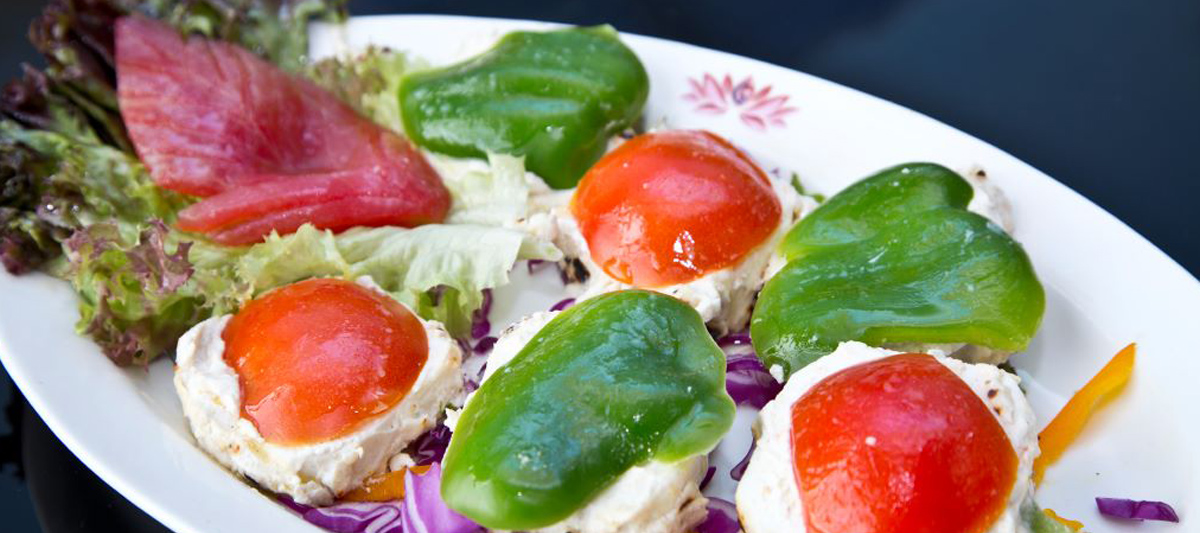
With multiculturalism on the rise in Dubai, having access to Ekadashi Prasad and fasting food in the city is much easier now. Many Indian vegetarian restaurants offer Vrat menus and personalised dishes during fasting days.
Areas like Karama and Arjan are especially known for the eclectic range of Indian food outlets that cater to the traditional dietary requirements of people during Ekadashi and other festivals. The Hindu temples in the city also distribute Ekadashi Prasadam to devotees.
In addition, health-focused cafés and sustainable speciality stores stock ingredients such as Sabudana, Senddha Namak, and Kuttu atta, making it easy for people to source Ekadashi-friendly ingredients for their homes.
Not to forget, many Indian supermarkets and grocery chains across the city carry fresh fasting essentials, such as Vrat-friendly flours, dairy products, Makhana (fox nuts), and root vegetables throughout the year.
This convenience empowers health-conscious individuals and devotees to comfortably observe Ekadashi fasting traditions without compromising on nutrition, accessibility, or taste in the fast-paced urban environment of Dubai.
At MyGovinda’s, we see Ekadashi not just as a fasting ritual but as a spiritual practice that is deeply rooted in purity, mindfulness, and devotion. Therefore, we thoughtfully prepare our Ekadashi Prasad with traditional cooking methods using only authentic Vrat-friendly ingredients that pay homage to these sacred customs.
From healthy Sattvic snacks to light yet satiating meals, our menu is carefully curated to help observers of this day to take care of their nutrition without compromising on quality or taste. With more than 25 years of experience under our belt, we offer freshly prepared vegetarian dishes that align with the fasting guidelines of Ekadashi.
Our team of professional chefs pay close attention to ingredient quality, hygiene, and customised dietary preferences to make sure every meal is both satisfying and nourishing. From Silicon Oasis to Jumeirah Lake Towers (JLT), from Arjan to Karama, our restaurants are present all over the city, and in Abu Dhabi and Sharjah for easy access.
At our core, we are a welcoming space for families, devotees, and food lovers to enjoy authentic Ekadashi meals with peace of mind and ease.
At our pure veg Indian restaurants in Dubai, we make it accessible for families and devotees to order traditional Ekadashi food online. Our freshly prepared Vrat-friendly sweets, Thali, and meals can be enjoyed both at the restaurant and in the comfort of your home.
We prepare a delectable range of Ekadashi sweets using traditional recipes and with pure ingredients. Our fasting desserts are curated to bring a touch of nourishment, comfort, and festive indulgence to your spiritual observance. Some of the most popular Ekadashi desserts in our restaurants are Gulab Jamun, Rabri Falooda, Ras Malai, and Rasgulla, among others.
Contrary to popular belief, you will be surprised by the diversity in main courses for Ekadashi meals. Prepared with wholesome vegetables, light proteins, and mild spices, they align with the fasting traditions while delivering a flavourful dining experience. Some of the most sought-after items in this category include Gatta Curry, Arbi Ki Subzi, Pumpkin Masala, Suran Masala, Paneer Makhanwala, and Aloo Tomato Gravy, among others.
You can also opt for the mouthwatering Quinoa Biriyani, which is the perfect Ekadashi Biryani or the Sabudana Khichdi. In the bread section, you can opt for Falhari Paratha and Falhari Tandoori Roti. There are also wholesome Ekadashi Thali options in our restaurants, along with Tandoor items prepared in traditional forms.
Ekadashi is not just a day of fasting; it is a holistic journey towards purity, mindfulness, and balance. With the rise in popularity of Vrat-friendly meals and Ekadashi Prasad in Dubai, there is an increased awareness about their health benefits.
And here at our restaurants, you can rest assured that we are carrying this sacred tradition with traditional flavours and wholesome ingredients to give you a spiritually uplifting food experience.
You can find Ekadashi food in Dubai at the many outlets of MyGovinda’s in Silicon Oasis, Jumeirah Lake Towers (JLT), Karama, and Arjan. We curate freshly prepared Vrat-friendly Thalis, meals, and sweets using traditional fasting recipes and pure ingredients.
Our wholesome and delicious Ekadashi Thali includes an eclectic range of Vrat-friendly dishes, such as Falhari Roti, Sabudana Khichdi, Paneer Curries, yoghurt, and sweets. We ensure all of our Ekadashi meals are made without grains and regular salt.
It is generally advised not to consume regular wheat Chapati on Ekadashi. This is why, at our restaurants, we offer Falhari Rotis and other breads made from fasting-friendly flours such as Singhara and Kuttu atta.
No, normal table salt is avoided during Ekadashi Vrat. You can replace it with Sendha Namak, which is deemed traditionally pure and suitable for fasting observances.
Yes, you can use our online order option to get Ekadashi food delivered to the comfort of your home. Browse through our menus, select your favourite Ekadashi dish and enjoy getting it delivered to your doorstep.





 Previous post

 Locations
 Call
Call GIFTS
GIFTS