
Mini Cart


Your cart is empty
(0 Items Added)
Mini Cart
Your cart is empty
(0 Items Added)
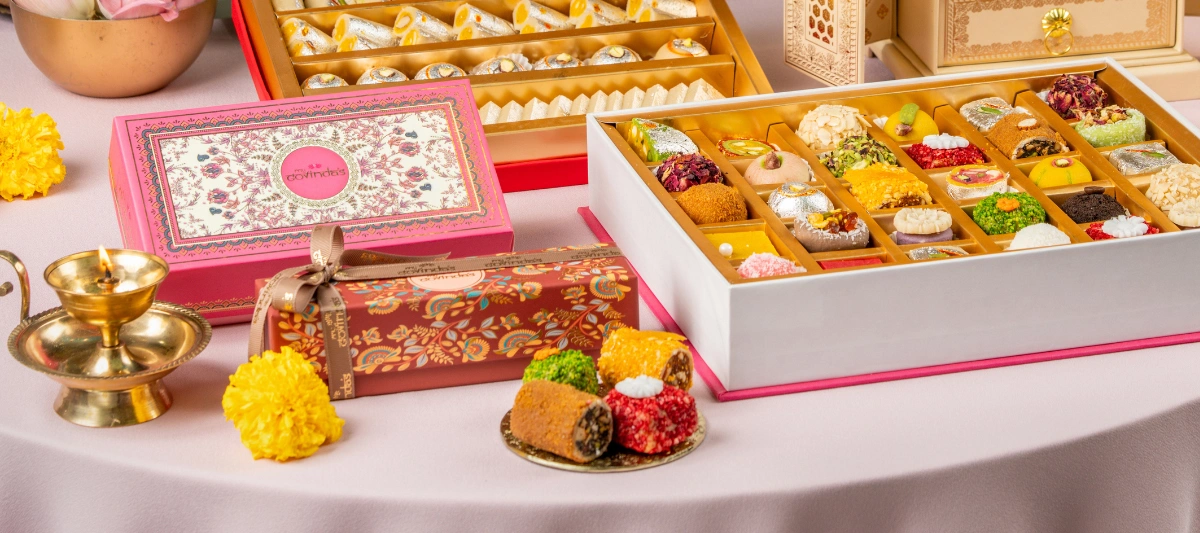
In a city as global and dynamic as Dubai, traditions from around the world find a place to thrive, and Indian culture is no exception. Among the many customs carried across borders by the Indian diaspora, the tradition of gifting Mithai holds a special place. Indian Mithai Boxes in Dubai tell a story of nostalgia, celebration, and cultural continuity, blending age-old recipes with the city’s modern lifestyle.
From festive occasions to personal milestones such as birthdays and achievements, Mithai boxes remain a timeless way to share joy. In Dubai, these boxes have evolved beyond simple packaging into elegant, thoughtfully curated assortments that cater to both traditional tastes and contemporary preferences.
The availability of Indian Mithai in Dubai reflects the city’s multicultural spirit, where authentic flavours are preserved while embracing innovation and quality standards. Whether gifted to family, friends, or business associates, Indian Mithai boxes symbolise warmth, respect, and celebration.
Sweets are shared to spread sweetness in relationships, meaning people consciously let go of bitterness, grudges, or past conflicts during festivals like Diwali, Raksha Bandhan, and Holi.
In this space, we are going to take a closer look at the tradition of gifting Mithai in Indian culture, the varied types of Indian Sweets, and their availability in Dubai, along with how you can order the best of them online from the comfort of your home.
In Indian culture, gifting Mithai holds deep symbolic and social meaning. More than just a culinary delight, Mithai represents joy, prosperity, gratitude, and the sharing of happiness. Its presence is almost inseparable from celebrations, rituals, and life’s important milestones.
One of the primary reasons Mithai is gifted is its association with auspiciousness. In Hindu traditions, sweets are offered to deities during prayers and festivals before being distributed as prasad. This act symbolises receiving divine blessings and sharing them with others. Whether it is Diwali, Holi, Raksha Bandhan, or Ganesh Chaturthi, Mithai becomes a medium through which goodwill and positivity are exchanged.
Mithai also plays a central role in marking achievements and good news. From the birth of a child to exam results, promotions, weddings, or buying a new home, sweets are distributed to announce happiness and success.
Socially, gifting Mithai strengthens relationships and community bonds. Visiting relatives, neighbours, or colleagues with a box of sweets is a gesture of respect and warmth. In a diverse country like India, where languages and customs vary, Mithai serves as a universal expression of affection and celebration that transcends regional boundaries.
Different types of Mithai also reflect regional identity and heritage. Rasgulla from Bengal, Laddoos from Maharashtra, Mysore Pak from Karnataka, and Kaju Katli popular across North India showcase India’s rich culinary diversity. Gifting these sweets is a way of sharing one’s culture and traditions with others.
In modern times, while chocolates and cakes have become popular, traditional Mithai continues to hold emotional value. Even contemporary sweet boxes often blend tradition with innovation through elegant packaging and fusion flavours, preserving the essence of the custom.
Ultimately, gifting Mithai in Indian culture is about more than taste. It is a heartfelt expression of joy, gratitude, and togetherness. By sharing sweets, people share happiness, reinforcing the belief that life’s best moments are meant to be celebrated collectively.
Indian Mithai varies beautifully by region, reflecting local ingredients, climate, and cultural traditions. Each region’s Mithai reflects its history and lifestyle, making Indian sweets not just desserts, but cultural symbols. Together, they showcase the extraordinary diversity of India’s culinary traditions, often brought together in festive Mithai boxes across India and abroad.
Let us look at the varied types of Indian Mithai based on the different regions.
North Indian Mithai is known for its rich, indulgent flavours, heavily influenced by the use of milk, Khoya (Mawa), Ghee, and nuts. Popular sweets such as Gulab Jamun, Kaju Katli, Peda, Balushahi, and Ghewar are commonly prepared for festivals and celebrations.
The colder climate of the region historically encouraged the use of dairy, resulting in dense, creamy textures and long-lasting sweets ideal for gifting. North Indian Mithai is often mildly flavoured with cardamom, saffron, and rose, symbolising prosperity and abundance.
These sweets are especially popular during weddings, Diwali, and family milestones, making them central to celebratory traditions.
North-Eastern Indian Mithai is unique and less commercialised, relying heavily on rice, jaggery, sesame, and locally sourced ingredients. Popular sweets include Pitha, Til Pitha, Narikol Laru, and Chak Hao Kheer (black rice pudding).
These sweets are traditionally homemade and associated with harvest festivals like Bihu. The flavours are mild, natural, and not overly sweet, reflecting the region’s preference for simplicity and nutrition.
North-Eastern Mithai emphasises steaming, roasting, and fermenting techniques rather than heavy frying, showcasing a distinct culinary identity rooted in nature and tradition.
East Indian Mithai is celebrated for its light, spongy textures, and refined sweetness, primarily made from Chenna (curdled milk). Famous among them are the Bengali sweets like Rasgulla, Sandesh, Chamcham, and Rasmalai, which originate from West Bengal.
These sweets are typically soaked in light sugar syrup, making them soft and refreshing rather than heavy. East Indian Mithai focuses on delicate flavours, often enhanced with cardamom, rose, or saffron.
They are deeply rooted in daily life, religious offerings, and festive celebrations, reflecting the region’s emphasis on simplicity, craftsmanship, and purity in sweet-making traditions.
South Indian Mithai differs significantly due to its reliance on jaggery instead of refined sugar, along with coconut, rice flour, lentils, and Ghee. Popular sweets include Payasam, Mysore Pak, Rava Kesari, Obbattu (Puran Poli), Kozhukattai, and Unniyappam.
These sweets are closely linked to temple offerings and traditional festivals such as Pongal, Onam, and Ugadi. South Indian Mithai often features earthy flavours and soft textures, with sweetness balanced by spices like cardamom.
The emphasis is less on richness and more on natural ingredients, making these sweets wholesome and deeply symbolic.
West Indian Mithai, especially from Maharashtra and Gujarat, balances sweetness with subtle textures and flavours. Ingredients such as jaggery, gram flour, Ghee, nuts, and yoghurt are widely used. Iconic sweets include Modak, Shrikhand, Basundi, Mohanthal, and Chikki.
Many of these Mithai varieties have strong religious significance, such as Modak being associated with Lord Ganesha. The region’s sweets range from creamy to crunchy, reflecting diverse culinary influences.
West Indian Mithai is often less syrupy than northern sweets and is enjoyed during festivals like Ganesh Chaturthi, Navratri, and Makar Sankranti.
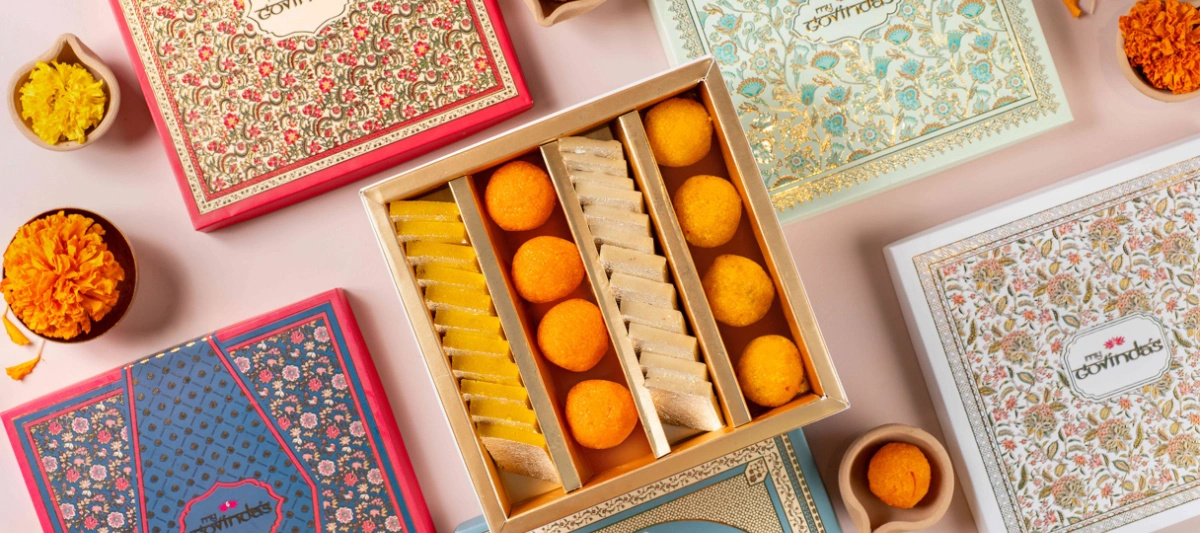
Central Indian Mithai reflects rustic traditions and hearty flavours influenced by local grains and dairy. Sweets such as Malpua, Mawa Bati, Khoya Jalebi, and Gajak are widely enjoyed. These Mithai varieties are often deep-fried and soaked in sugar syrup, making them rich and satisfying. Central India’s sweets are commonly prepared during fairs, winter months, and festive occasions.
The use of jaggery, Ghee, and nuts gives them a robust taste and long shelf life. Central Indian Mithai represents warmth, hospitality, and celebration, often shared generously during family gatherings and regional festivals.
Indian festivals are incomplete without Mithai, as each celebration is marked by sweets that carry cultural, religious, and emotional significance. From Diwali and Holi, festival-specific Mithai reflects tradition, symbolism, and joy, making every occasion sweeter and more meaningful.
Let us look at the varied types of Indian Mithai based on the different festivals.
Ganesh Chaturthi Mithai is deeply rooted in religious devotion, with Modak being the most iconic sweet associated with Lord Ganesha. Modaks, along with Laddoos and Karanjis, are offered as prasad during prayers. Traditionally made with rice flour, jaggery, coconut, and Ghee, these sweets symbolise purity and prosperity.
Preparing Mithai during this festival is considered an auspicious act, and sharing it spreads blessings among family and community. Ganesh Chaturthi Mithai reflects humility, gratitude, and faith, reinforcing the spiritual significance of food in Indian culture.
Diwali Mithai symbolises prosperity, joy, and the triumph of light over darkness. During this festival, a wide variety of sweets are prepared and gifted, including Laddoos, Kaju Katli, Barfi, Gulab Jamun, and dry fruit Mithai.
These sweets are often rich in Ghee, nuts, and milk, reflecting abundance and celebration. Mithai boxes exchanged during Diwali strengthen social and business relationships, making sweets an essential part of the festivities. Offering Mithai to deities and guests represents gratitude and good fortune, while the tradition of sharing sweets reinforces togetherness and the spirit of generosity.
Holi Mithai captures the playful and vibrant nature of the festival of colours. Traditional sweets such as Gujiya, Malpua, Peda, and Laddoos are prepared in homes and shared among friends and neighbours. Gujiya, filled with Khoya and dry fruits, is especially associated with Holi and symbolises indulgence after fasting and rituals.
Many Holi sweets include festive flavours like cardamom and saffron, while thandai-based Mithai adds a cooling balance. These sweets reflect joy, renewal, and harmony, perfectly complementing the lively celebrations and communal spirit of Holi.
Raksha Bandhan Mithai represents the bond of love, care, and protection between siblings. Sweets such as Barfi, Rasgulla, Kaju Katli, and chocolate-fusion Mithai are commonly exchanged after the tying of the Rakhi.
The act of feeding sweets symbolises affection and shared happiness. In modern times, beautifully curated Mithai boxes have become popular gifts, blending tradition with elegance. Raksha Bandhan Mithai often emphasises premium quality and presentation, making it a heartfelt gesture that strengthens family relationships and celebrates the emotional connection between brothers and sisters.
Makar Sankranti Mithai highlights the use of seasonal ingredients like sesame seeds and jaggery, symbolising warmth and positivity. Popular sweets include Tilgul Laddoos, Gajak, Rewari, and Chikki.
These sweets reflect gratitude for harvests and the changing seasons. The emphasis on natural sweeteners and simple preparation connects the festival to nature and tradition. These sweets are deeply symbolic and promote harmony, health, and goodwill among communities.
Navratri and Durga Puja Mithai vary across regions but carry strong spiritual significance. In Bengal, Sandesh, Rasgulla, and Chamcham are central to Durga Puja celebrations. During Navratri, fasting-friendly sweets made from fruits, milk, and nuts are common.
These Mithai varieties are often lighter and sattvic, focusing on purity and devotion. Sharing sweets after prayers marks gratitude and celebration. Navratri and Durga Puja Mithai reflect discipline, faith, and cultural pride, blending devotion with culinary artistry.
Indian Mithai in Dubai brings the authentic flavours, traditions, and festive spirit of India to the city’s multicultural community. From classic favourites like Gulab Jamun, Rasgulla, Kaju Katli, and Laddoos to regional specialities such as Sandesh, Modak, and Mysore Pak, these sweets are enjoyed by both Indian expats and locals.
Available in beautifully packaged gift boxes or for personal indulgence, Mithai plays a key role in festivals, weddings, and celebrations, symbolising joy, prosperity, and togetherness. With options ranging from traditional to modern, vegan, and sugar-free, Indian Mithai in Dubai offers something delicious for every taste and occasion.
When it comes to finding authentic Indian Mithai in Dubai, quality, taste, and trust matter most. Over the past several years, we have established our restaurant MyGovinda's as the preferred destination for those seeking traditional Indian sweets that reflect true heritage while meeting modern expectations.
We have garnered favours from the people of the city for our wide variety of freshly prepared Mithai, elegant gifting options, and commitment to quality ingredients. We leave no stone unturned in blending tradition with contemporary standards. Whether for festivals, celebrations, or everyday indulgence, we offer a dependable and delightful experience.
Here is what sets us apart and makes us many people’s favourite choice for Indian Mithai in Dubai.
We offer a wide variety of traditional Indian sweets and Mithai boxes that reflect genuine Indian flavours. From Kaju Katli to Laddoos, from Rasgulla and Rasmalai, each sweet is carefully prepared in-house using quality ingredients, ensuring authentic taste, rich texture, and freshness in every bite.
Unlike many traditional sweet shops, we cater to modern health preferences. We offer low-sugar, sugar-free, vegan, and healthier sweet options without compromising on taste. As such, our collection is ideal for anyone watching their sugar intake or following dietary restrictions.
Our Mithai is not just delicious. We make sure it is presented beautifully. Our sweet boxes are attractively packaged, perfect for gifting on festivals, birthdays, weddings, or any special occasion. You can even choose custom combinations to suit your personal preferences or dietary needs.
With decades of experience and multiple outlets across Dubai, including Karama, Silicon Oasis, Arjan, and JLT, we have become a trusted destination for Indian expats and residents craving authentic Mithai and vegetarian delights.
Whether you are buying for enjoyment or gifting, we strive to be your go-to place for Indian Mithai in Dubai, offering authentic taste, thoughtful presentation, and variety.
We make enjoying authentic Indian Mithai in Dubai easier than ever by allowing you to order online from the comfort of your home. Whether it is for festivals, special occasions, or a simple sweet craving, we bring our freshly prepared sweets straight to your doorstep.
From classic favourites like rasgulla, Laddoos, and Kaju Katli to customised gift boxes, we ensure every order is handled with care, maintaining quality, freshness, and presentation. We make celebrating life’s sweet moments simple, joyful, and hassle-free.
Indian Mithai boxes in Dubai bring the rich flavours and festive spirit of India right to your doorstep. From traditional favourites to modern, health-conscious options, these boxes are perfect for festivals, weddings, corporate gifting, or personal celebrations.
At MyGovinda's, we take pride in bringing the authentic taste of India to Dubai through our carefully crafted Mithai boxes. Our sweets are freshly prepared, beautifully packaged, and made with quality ingredients to delight every palate. The Mithai boxes we offer are thoughtfully packaged to delight both the eyes and the taste buds, making gifting and sharing an unforgettable experience.
Mithai gift boxes are carefully curated collections of traditional Indian sweets, packaged attractively for gifting or special occasions. They typically include a variety of popular sweets such as Laddoos, Rasgulla, Kaju Katli, Barfi, and Gulab Jamun, often arranged in compartments or decorative trays.
These boxes serve both culinary and cultural purposes. They are a way to celebrate festivals, weddings, birthdays, or achievements, while symbolising joy, prosperity, and goodwill. In essence, a Mithai gift box is a sweet way to share happiness and tradition.
Mithai boxes are perfect for any celebration, from festivals like Diwali, Holi, and Raksha Bandhan to weddings, birthdays, anniversaries, and baby celebrations. They are also ideal for corporate gifting, housewarmings, or special achievements. Sharing these sweets symbolises joy, prosperity, and goodwill, making every occasion sweeter and more memorable.
Mithai gift boxes typically feature a delicious assortment of traditional Indian sweets, carefully chosen to appeal to every palate.
They often include milk-based treats like Rasgulla, Rasmalai, Gulab Jamun, Peda, and Kalakand, alongside nut and dry fruit sweets such as Kaju Katli, Pista Rolls, and Badam Barfi. Flour-based or fried sweets like Laddoos, Malpua, and Mysore Pak are also common, as are sugar syrup-soaked delights like Jalebi and Chamcham.
Many boxes include regional specialities such as Sandesh, Modak, or Ghewar, and some even feature modern or health-conscious options. Beautifully arranged, these boxes are perfect for gifting and festive celebrations.
Yes! At MyGovinda's, we allow you to customise the assortment of sweets in your gift box. You can choose your favourite combinations from a wide range of traditional and modern sweets, or even sugar-free and vegan options.
We let you tailor the box to your personal preferences, dietary needs, or special occasions, making it a thoughtful and unique gift. Whether it is for festivals, birthdays, weddings, or corporate gifting, a customised Mithai box ensures your gift is personal, meaningful, and deliciously memorable.
Yes, we offer vegan and gluten-free options in our Mithai gift boxes, ensuring everyone can enjoy traditional Indian sweets. From sugar-free treats to plant-based delights, our customised boxes cater to dietary preferences without compromising on taste, quality, or presentation, making them perfect for gifting or festive celebrations.
The freshness of sweets in Mithai gift boxes depends on the type of sweet and storage conditions. At MyGovinda's, we ensure all sweets are freshly prepared and packaged carefully, so your gift boxes remain flavourful and enjoyable for the maximum duration.
Yes, we offer home delivery for our Mithai gift boxes across Dubai. You can conveniently order your favourite sweets online, and we will deliver them fresh to your doorstep. Our reliable delivery service ensures your Mithai arrives beautifully packed and ready to enjoy. We aim to make ordering and receiving Indian sweets in Dubai simple and hassle‑free.
Yes, Mithai gift boxes are an excellent choice for corporate gifting. They carry cultural significance, convey appreciation, and suit a wide range of occasions such as festivals, client greetings, employee recognition, or business milestones.
A thoughtfully curated box of sweets reflects goodwill and warmth, making it a memorable and universally appreciated corporate gift in Dubai’s multicultural environment.





 Previous post

 Locations
 Call
Call GIFTS
GIFTS